
Does Homeowners Insurance Cover Tree Removal in Caledonia, Racine, and Kenosha, WI?
By Chris Jayne, Owner of CJ Tree Service LLC
Homeowners insurance offers crucial protection for property owners, yet many are unsure about the extent of coverage regarding tree removal. Understanding whether homeowners insurance covers tree removal in Caledonia, Racine, and Kenosha is essential for residents to protect their properties from potential hazards like fallen trees due to storms or other factors. This article explores various aspects of tree removal coverage, including the situations where insurance typically applies, how to file a claim, the costs and deductibles involved, and when to contact local services. By delving into these topics, homeowners can gain clarity on their insurance policies and make informed decisions regarding tree removal.
Key Takeaways
- Homeowners insurance in Caledonia, Racine, and Kenosha typically covers tree removal after storm or wind damage threatening structures.
- Insurance claims require thorough documentation including photos, policy details, and tree removal service estimates.
- Coverage limits for tree removal generally reach up to $1,000, with deductibles ranging between $500 and $1,000.
- Claims may be denied if damage results from neglected or hazardous trees known prior to falling.
- Preventive tree care like trimming is usually excluded from homeowners insurance as it is considered maintenance.
- Local regulations can affect insurance coverage, making compliance with tree maintenance laws essential.
- CJ Tree Service assists with emergency tree removal and supports homeowners in navigating insurance claims effectively.
- Timely tree removal during dormancy seasons reduces risk and facilitates safer property management.
- Regular tree inspections and maintenance help prevent insurance claims by mitigating potential hazards.
What Tree Removal Situations Does Homeowners Insurance Typically Cover?
Homeowners insurance may provide coverage for tree removal under specific circumstances. The primary instances involve damage caused by natural events such as storms or hazardous tree conditions threatening property safety. Understanding when insurance covers tree removal can save homeowners significant out-of-pocket expenses and contribute to better property management.
Does Insurance Pay for Tree Removal After Wind or Storm Damage?
Typically, homeowners insurance policies cover tree removal when damage is inflicted by wind or storm events. Insurance companies generally recognize such occurrences as legitimate claims, provided the tree poses a direct threat to the home or other structures. Homeowners should document the damage extensively, including photographs and witness statements if possible. This information assists in filing claims and ensures that insurers acknowledge the situation promptly.
Are Fallen Trees Causing Property Damage Covered by Insurance?
When fallen trees cause damage to property, homeowners insurance often provides coverage. However, policies may include specific limitations and exclusions, especially if homeowners fail to maintain the property adequately. For example, if a tree that was known to be hazardous fell on the house, the claim may be denied. Understanding these policy specifics is crucial to prevent unexpected financial burdens when filing claims.
Understanding Tree Risk Perception for Homeowners Insurance
ABSTRACT: Gauldin, Matthew Squire.University of Georgia ProQuest Dissertations & Theses, 2025. 31847863.Improving Communication and Understanding of Tree Risk Perception Between Arborists, Insurers, and Homeowners, 2025
How Do Homeowners File a Tree Removal Insurance Claim in Caledonia, Racine, and Kenosha?
Filing a tree removal insurance claim involves several steps. Homeowners must navigate their insurance policy details, ensuring they meet all coverage requirements before submission. Each step in the process is crucial for a successful claim.
What Documentation Is Needed for Emergency Tree Removal Insurance Claims?
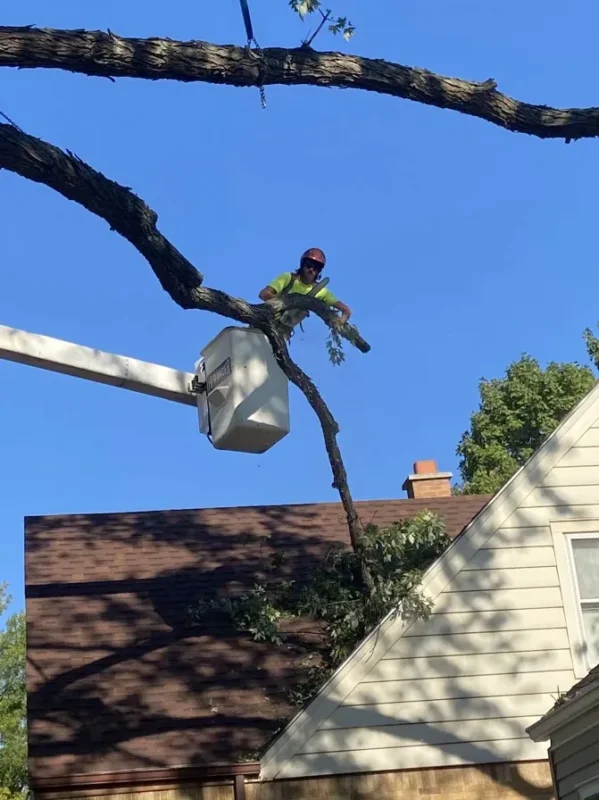
To effectively file an insurance claim for emergency tree services, homeowners should gather specific documentation. Essential items include:
- Photos of Damage: Clear images of the roof, yard, and any impacted structures help verify the claim.
- Insurance Policy Documentation: A copy of the insurance policy highlights coverage details necessary for filing.
- Estimates for Tree Removal Services: Quotes from tree removal companies assist in detailing costs associated with the claim.
How Long Does the Tree Removal Insurance Claim Process Take?
The timeframe for processing tree removal claims can vary significantly. On average, homeowners may expect a waiting period of approximately two to six weeks before the claim is fully processed. Factors influencing this duration include the complexity of the claim, documentation completeness, and the insurance provider’s assessment schedule.
What Are the Costs, Deductibles, and Coverage Limits for Tree Removal Insurance?
Homeowners should be aware of the costs and potential deductibles associated with tree removal insurance claims. Understanding these aspects can prevent financial surprises when filing claims.
How Much Does Homeowners Insurance Typically Cover for Tree Removal?
Typical homeowners insurance policies in Wisconsin may cover up to $1,000 for tree removal services after wind or storm-related damages. This amount can vary based on the insurer, policy limits, and specific circumstances surrounding the damage. Homeowners should review their policies to determine their specific coverage details.
What Are Common Deductibles for Wind Damage Tree Removal in Wisconsin?
Deductibles for tree removal claims vary widely, with many policies requiring a deductible ranging from $500 to $1,000. Homeowners should be aware that this amount is subtracted from the total reimbursement amount before the insurance payout occurs. Understanding this deductible structure helps homeowners plan financially for potential claims.
When Should You Contact CJ Tree Service for Emergency Tree Removal in Wisconsin?
In emergencies where trees pose an immediate threat to safety or property, contacting a professional tree service is essential. CJ Tree Service offers expertise in handling such situations, ensuring safe and efficient tree removal. For those specifically in Racine County, their tree removal services are readily available.
How Does CJ Tree Service Support Insurance Claims for Tree Removal?
CJ Tree Service assists homeowners in navigating the insurance claims process for tree removal. The team provides comprehensive services, including documentation and damage assessments, to ensure that homeowners receive the maximum benefit from their insurance coverage.
What Emergency Tree Removal Services Does CJ Tree Service Provide in Racine County?
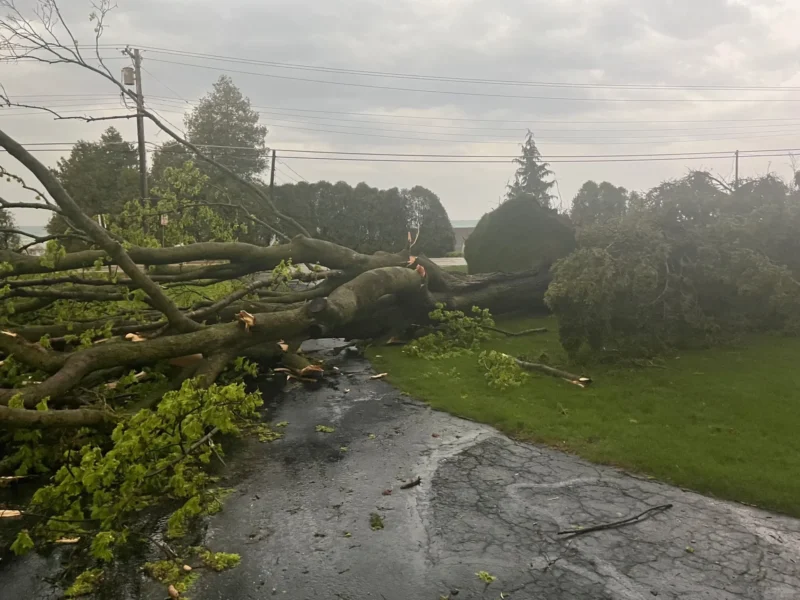
CJ Tree Service provides several emergency tree removal services, including specialized emergency tree removal, hazardous tree removal, storm clean-up, and stump grinding. Their services ensure that homeowners maintain safety and preserve property integrity after storm damage. For storm-related clean-up, their storm clean-up services are particularly vital.
For routine tree maintenance and care, such as tree trimming in Racine County, they also offer professional assistance. Additionally, if you require stump grinding services, CJ Tree Service can effectively remove remaining stumps.
Frequently Asked Questions
What types of tree damage are not covered by homeowners insurance?
Homeowners insurance typically does not cover tree removal related to poor maintenance or neglect. If a tree is dead or identified as a hazard but not removed, and it falls, the damage may not be covered. Additionally, trees that fall due to natural decay or disease often fall into this exclusion. Homeowners should regularly assess their trees’ health and remove any potentially hazardous ones to avoid this financial pitfall.
Can homeowners insurance cover preventive tree care costs?
Generally, homeowners insurance policies do not cover costs for preventive tree care services like pruning or trimming, as these services are considered maintenance rather than repairs prompted by damage. However, some policyholders may include these costs in their home maintenance budget as a way to mitigate risks and avoid potential claims in the future. It’s wise to check with your insurance provider for specific coverage details regarding preventative measures.
Do local regulations impact homeowners insurance coverage for tree removal?
Yes, local regulations can significantly influence whether homeowners insurance covers tree removal. In some areas, laws may require landowners to maintain healthy trees, and failure to comply could void or limit coverage. Homeowners in Caledonia, Racine, and Kenosha should be familiar with local ordinances regarding tree maintenance and removal to ensure their insurance policy aligns with these regulations and to avoid coverage disputes.
When is the best time to remove trees from your property?
The best time to remove trees is typically during the late fall to early spring when trees are dormant. This timing minimizes the risk of damage to surrounding vegetation and allows for easier access to the tree. However, it’s essential to evaluate each tree’s condition and urgency of removal, especially if a tree poses an immediate risk to safety or property. Consulting with an arborist might provide the best course of action.
How can I prevent tree-related claims on my homeowners insurance?
To prevent tree-related claims, homeowners should regularly inspect their trees and remove any that appear dead, diseased, or potentially unsafe. Keeping trees trimmed and healthy can mitigate risks associated with storms and high winds. Additionally, maintaining a good relationship with a certified arborist can help homeowners stay informed about preventative care that can protect their property and limit liability.
Are there any specific exclusions regarding tree removal in homeowners insurance policies?
Yes, specifics can vary widely by insurance provider. Exclusions for tree removal might include damage from insects, diseases, or a tree falling during maintenance work. Many policies also stipulate that coverage only applies if the tree damages a structure or other insured property. Homeowners should review their policy documents carefully to understand these exclusions clearly and be aware of how they might affect their coverage for tree removal.


