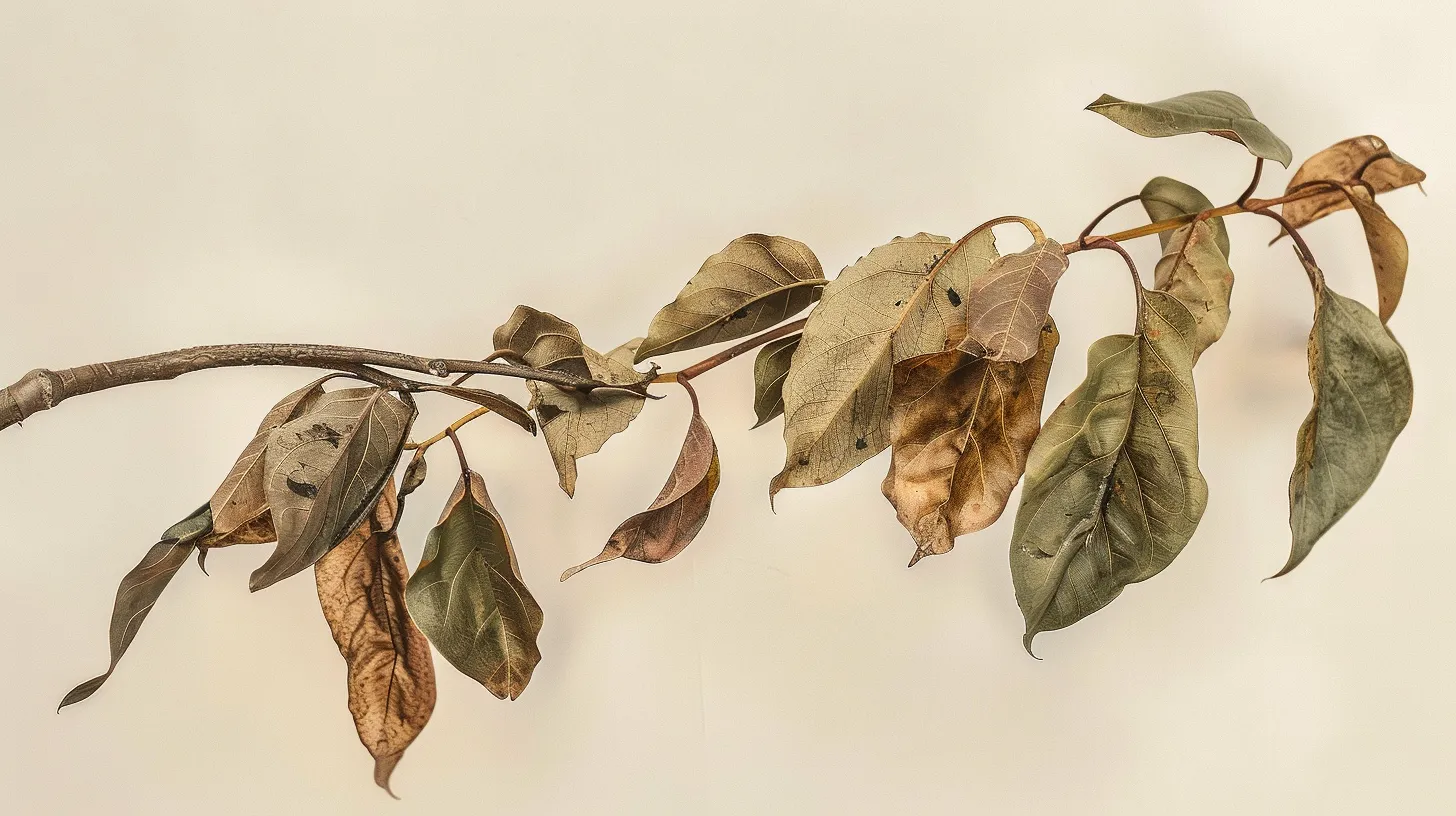
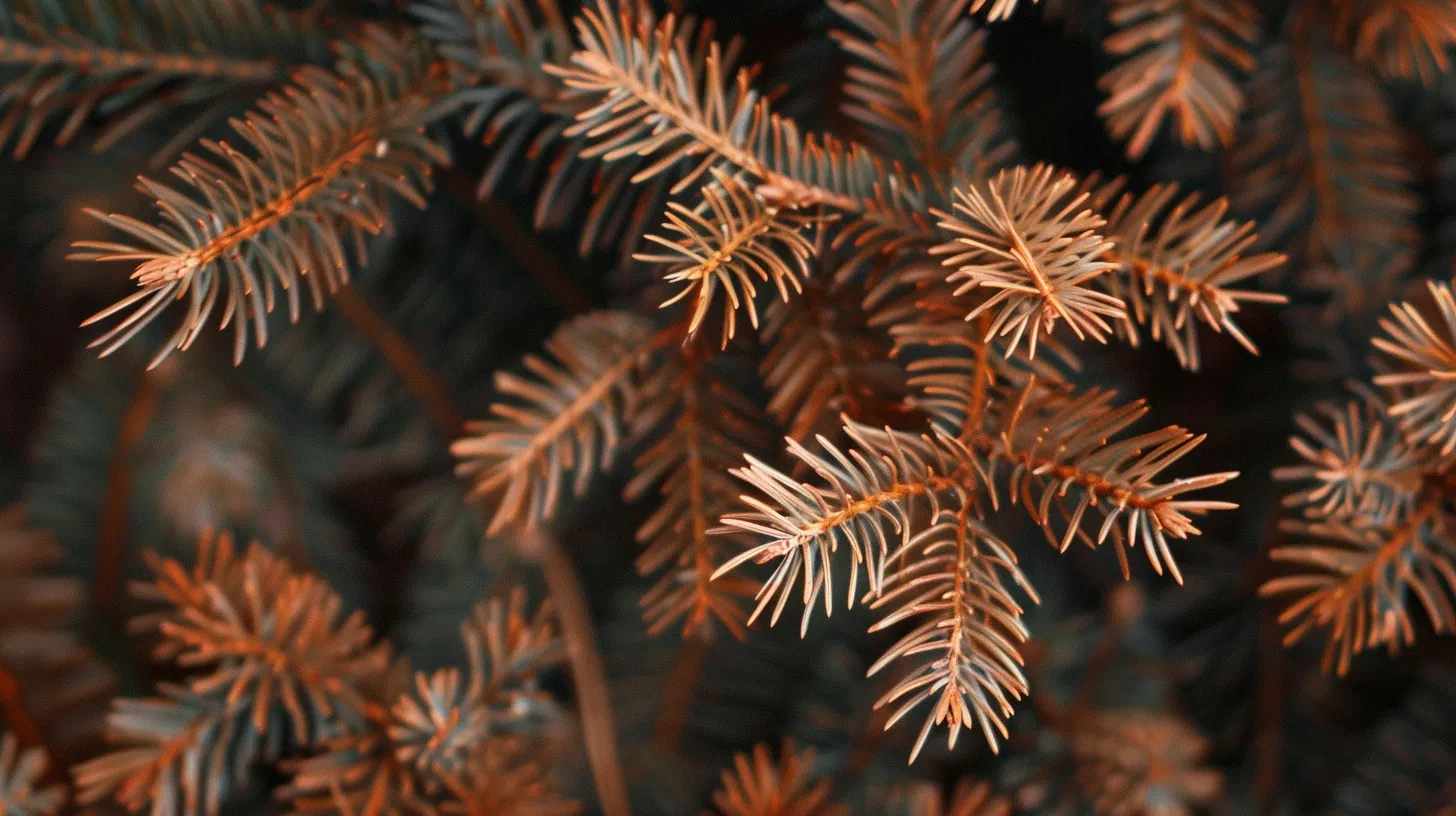
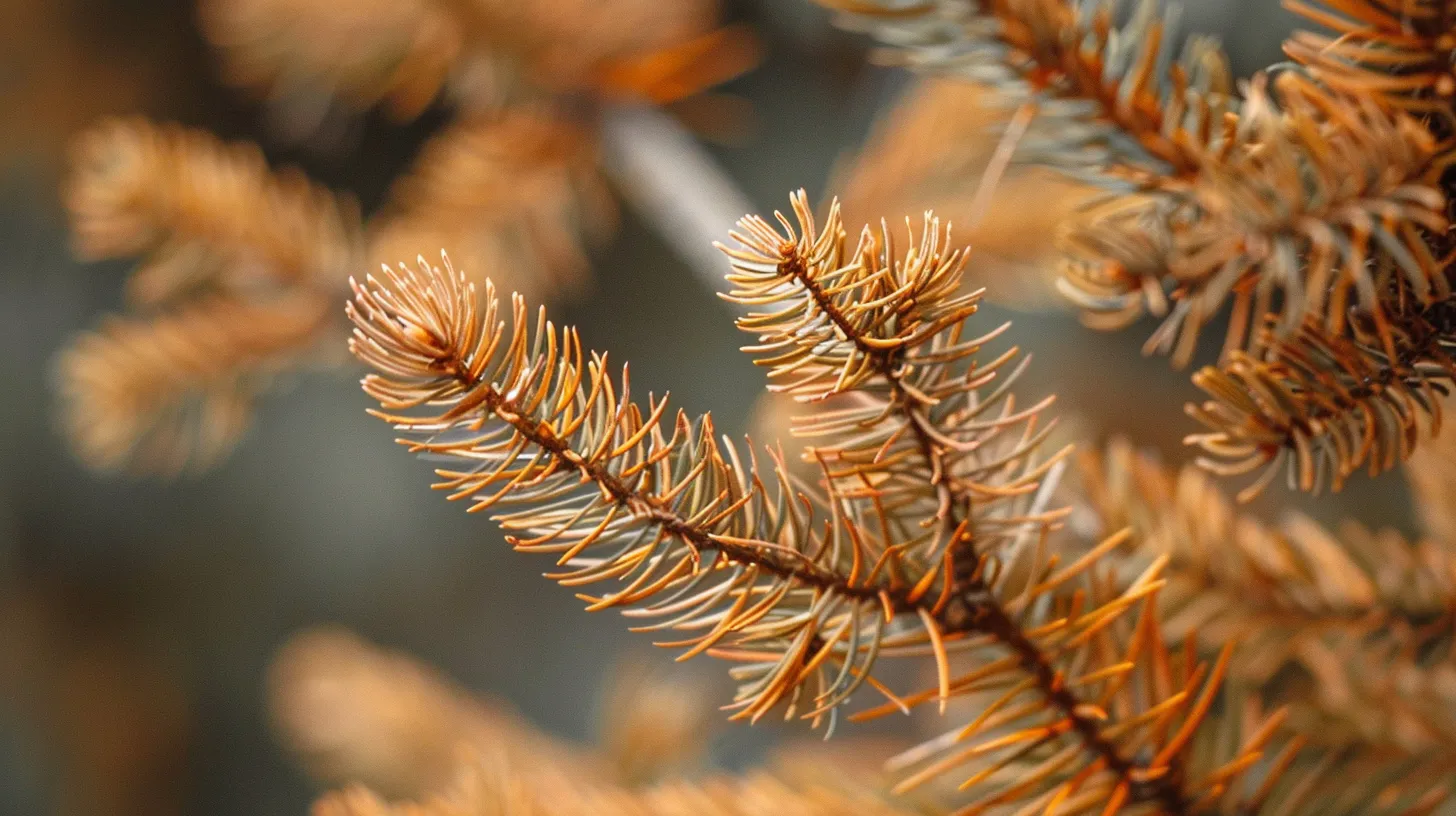
Spots and blemishes on leaves, fruit, or bark can indicate various tree health issues. Learn to identify different types of leaf spots and their meanings, distinguish between fungal infections and other causes, and understand the importance of early detection. Discover treatment options for spotted leaves or fruit to maintain your trees’ health and appearance.
Types of Leaf Spots and Their Meanings
You can identify various types of leaf spots by their appearance and location on the leaves. Circular or angular spots with dark borders often indicate fungal infections, while irregular, blotchy patterns might suggest bacterial diseases. Pay attention to the color of the spots, as brown spots typically point to fungal issues, while yellow spots may indicate nutrient deficiencies or viral infections.
The size and distribution of leaf spots can provide valuable information about the underlying cause. Small, numerous spots scattered across the leaf surface often result from insect damage or early-stage infections. In contrast, larger spots that merge or cover significant portions of the leaf may indicate advanced disease stages or environmental stress. By recognizing these patterns, you can better diagnose and address tree health issues promptly.
Fungal Infections vs. Other Causes
When examining spots and blemishes on your trees, distinguish between fungal infections and other causes. Fungal spots often appear as circular lesions with defined borders, while damage from insects or environmental factors may result in irregular patterns. You can identify fungal infections by the presence of spores or fuzzy growth on the affected areas, particularly in humid conditions.
Importance of Early Detection
Early detection of spots and blemishes on your trees’ leaves, fruit, or bark is crucial for effective disease management. By identifying issues in their initial stages, you can prevent the spread of infections and minimize damage to your trees. Regular inspections allow you to spot subtle changes in leaf color, texture, or shape before they escalate into more severe problems.
Promptly addressing spotted leaves or fruit can save you time and resources in the long run. Early intervention often requires less intensive treatments and reduces the risk of permanent damage to your trees. By staying vigilant and responding quickly to signs of trouble, you can maintain the health and appearance of your landscape while avoiding costly tree removal or replacement. Fuzzy or Moldy Areas on Leaves
Fuzzy or moldy areas on leaves indicate potential tree health issues. Learn to identify fungal growth and understand its impact on trees. Discover prevention strategies to protect your trees from mold proliferation and explore effective remedies if mold is found. By recognizing these signs early, you can take prompt action to maintain your trees’ health and prevent further damage.
Identifying Fungal Growth vs. Other Issues
To identify fungal growth on your tree leaves, look for powdery or fuzzy patches that may appear white, gray, or brown. These growths often have a distinct texture and can cover large areas of the leaf surface. Unlike insect damage or nutrient deficiencies, fungal infections typically spread in circular patterns and may cause leaf distortion or premature leaf drop.
Other issues, such as pest infestations or environmental stress, can sometimes resemble fungal growth. Inspect the undersides of leaves for small insects or eggs to rule out pest problems. Environmental stress often causes uniform discoloration or wilting across multiple leaves. If you’re unsure about the cause, consider consulting an arborist for an accurate diagnosis and targeted treatment plan.
How Mold Affects Tree Health
Mold on tree leaves can significantly impact tree health by interfering with photosynthesis. As mold colonies grow, they block sunlight from reaching the leaf surface, reducing the tree’s ability to produce energy. This energy deficit can lead to stunted growth, weakened immune responses, and increased susceptibility to other diseases or pests.
You may notice mold-affected trees exhibiting signs of stress, such as premature leaf drop or branch dieback. In severe cases, mold infestations can spread to the tree’s bark and internal tissues, causing long-term damage to the vascular system. Regular inspections and prompt treatment of mold issues are crucial to maintaining your trees’ overall health and vitality.
Prevention Strategies for Mold Proliferation
To prevent mold proliferation on your trees, maintain proper air circulation by pruning dense canopies and removing debris around the tree base. Ensure adequate spacing between trees and nearby structures to allow sunlight and air to reach all parts of the tree. Water your trees at the base rather than overhead to reduce leaf wetness, which can create favorable conditions for mold growth.
Remedy Steps if Mold Is Found
If you find mold on your tree leaves, begin treatment by pruning affected areas, removing and disposing of infected foliage to prevent spore spread. Apply a fungicide specifically formulated for the type of mold present, following the product instructions carefully. Ensure thorough coverage of both upper and lower leaf surfaces for effective control. After treatment, improve growing conditions to discourage mold regrowth. Adjust watering practices to avoid wetting leaves, especially in the evening. Increase air circulation around the tree by thinning the canopy and removing nearby vegetation. Monitor treated trees closely for signs of improvement or recurring issues, and be prepared to repeat treatments if necessary.