
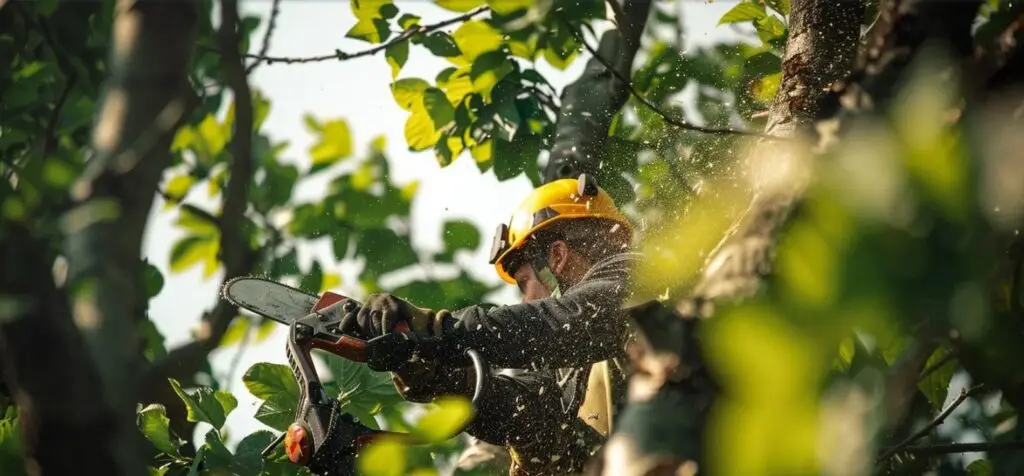
Understanding The Difference Between Tree Trimming and Tree Pruning
Are your trees in need of care, but you’re unsure whether to trim or prune them? This guide will help you understand the differences between tree trimming and pruning, recognize signs that indicate which service is needed, and appreciate the importance of professional tree care. By the end, you’ll be equipped with the knowledge to make informed decisions about your trees’ health and maintenance, ensuring their longevity and beauty in your landscape.
Understanding Tree Pruning and Its Benefits
Tree pruning is essential for maintaining healthy trees and safe landscapes. You’ll learn about pruning’s purpose and optimal timing for different tree species, including oak. Understanding these aspects helps you decide when to hire a professional tree service for pruning or trimming needs.
Exploring the Purpose of Tree Pruning
Tree pruning serves multiple purposes, focusing primarily on the health and structural integrity of your trees. You’ll find that regular pruning promotes stronger growth, improves tree structure, and reduces the risk of falling branches during storms or high winds. By removing dead, diseased, or damaged wood, you can prevent the spread of decay and maintain the overall health of your trees.
Proper pruning techniques also enhance tree safety and longevity. You can eliminate weak branch connections, reduce wind resistance, and improve the tree’s natural form. This selective approach to tree care focuses on removing specific branches for health reasons, making it a targeted investment in your trees’ long-term wellbeing and structural soundness.
Understanding Tree Trimming and Its Purpose
Tree trimming, while often confused with pruning, serves different primary purposes in tree care. You’ll discover that trimming focuses mainly on maintaining the tree’s appearance and controlling its size and shape. This process involves cutting back overgrown branches to achieve a desired aesthetic or to prevent interference with structures, power lines, or other landscape elements.
When you trim trees, you’re primarily concerned with the tree’s external appearance and its impact on your property’s overall landscape design. Trimming helps maintain neat, well-manicured trees that complement your outdoor space. Unlike pruning, which targets specific health issues, trimming is more about regular maintenance to keep trees looking their best and fitting appropriately within their designated space.
Key Differences Between Trimming and Pruning
The fundamental difference between tree trimming and pruning lies in their primary objectives and approaches. Pruning is a health-focused practice that involves selectively removing specific branches to improve the tree’s structure, health, and safety. When you prune, you target dead, diseased, damaged, or poorly positioned branches with precise cuts that promote healing and prevent future problems.
Tree trimming, on the other hand, is primarily aesthetic and size-control focused. You’ll use trimming to maintain the tree’s shape, control its growth, and ensure it fits well within your landscape design. Trimming typically involves cutting back healthy growth to achieve a desired appearance or size, while pruning removes problematic growth to enhance the tree’s overall health and longevity.
Determining the Best Time for Pruning and Trimming
You’ll find that the optimal timing for both pruning and trimming varies depending on the tree species and your specific goals. For most trees, late winter or early spring is ideal for pruning, as it promotes rapid healing and minimizes stress on the tree. This timing allows trees to compartmentalize wounds effectively before the active growing season begins.
When it comes to trimming for aesthetic purposes, you have more flexibility in timing, though late winter remains optimal for most species. However, if you’re dealing with storm damage or hazardous branches, don’t hesitate to contact a professional tree service for immediate assistance regardless of the season. For flowering trees, timing becomes crucial – prune spring-blooming trees immediately after flowering, while summer-blooming trees should be pruned in late winter or early spring.
When to Choose Pruning vs. Trimming
Choose pruning when your trees show signs of health issues, structural problems, or safety concerns. You should opt for pruning if you notice dead branches, signs of disease, crossing or rubbing branches, or weak branch attachments. Pruning is also the right choice when you need to improve air circulation through the canopy or remove branches that pose safety risks to people or property.
Select trimming when your primary goal is maintaining your trees’ appearance or controlling their size within your landscape. You’ll want to trim when trees have grown beyond their desired boundaries, when you need to maintain a specific shape for aesthetic reasons, or when regular maintenance is needed to keep trees looking neat and well-maintained. Remember that both services require different techniques and expertise, so consider consulting a professional tree service to determine which approach best suits your specific needs and tree species.
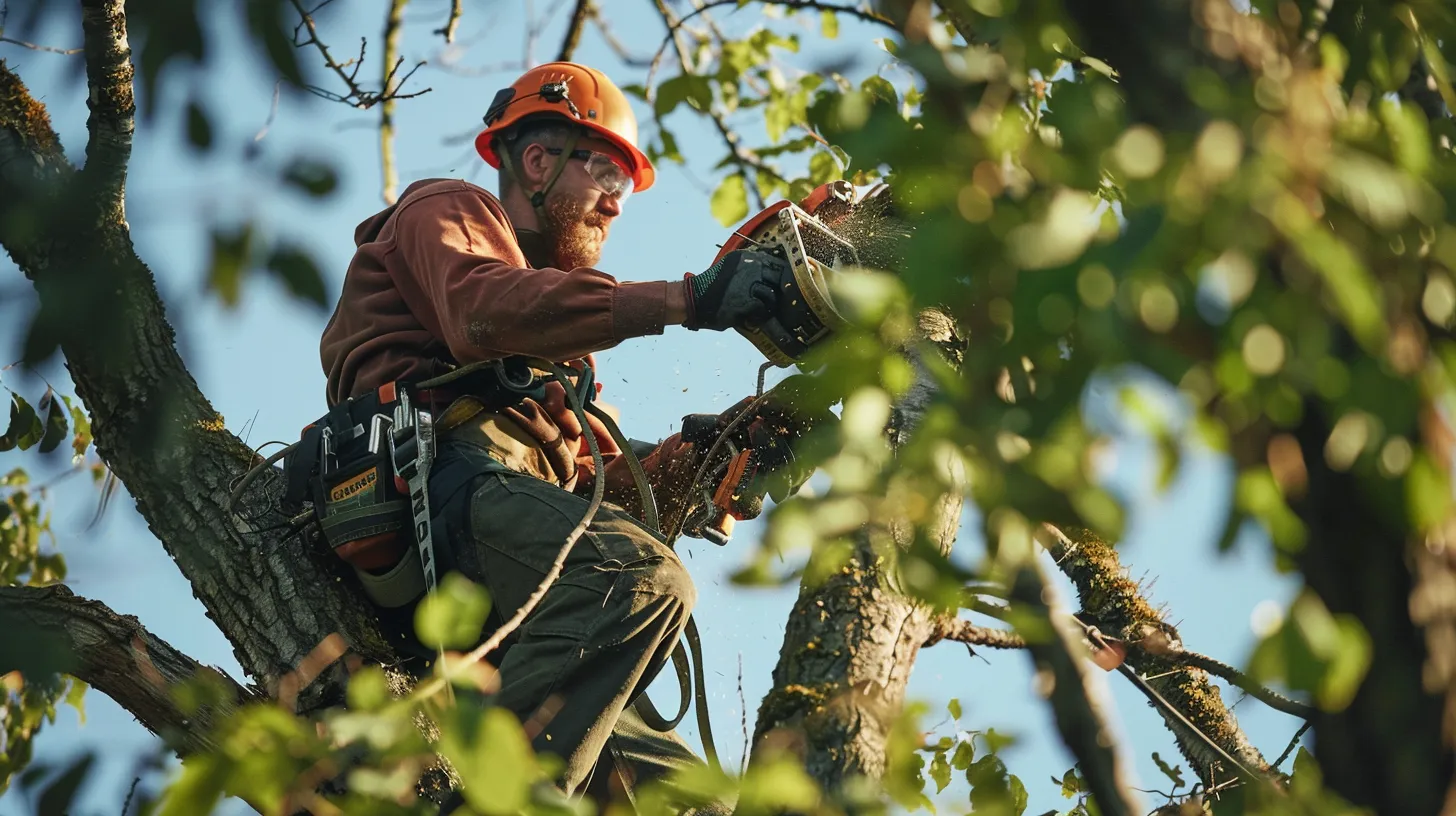
Understanding Tree Pruning and Its Benefits
Exploring the Purpose of Tree Pruning
Determining the Best Time for Pruning
You’ll find that the optimal time for pruning varies depending on the tree species and your landscape goals. For most trees in Wisconsin, late winter or early spring is ideal, as it promotes rapid healing and minimizes stress on the tree. However, if you’re dealing with storm damage or hazardous branches, don’t hesitate to contact an emergency tree service like CJ’s tree service for immediate assistance.
Importance of Professional Services
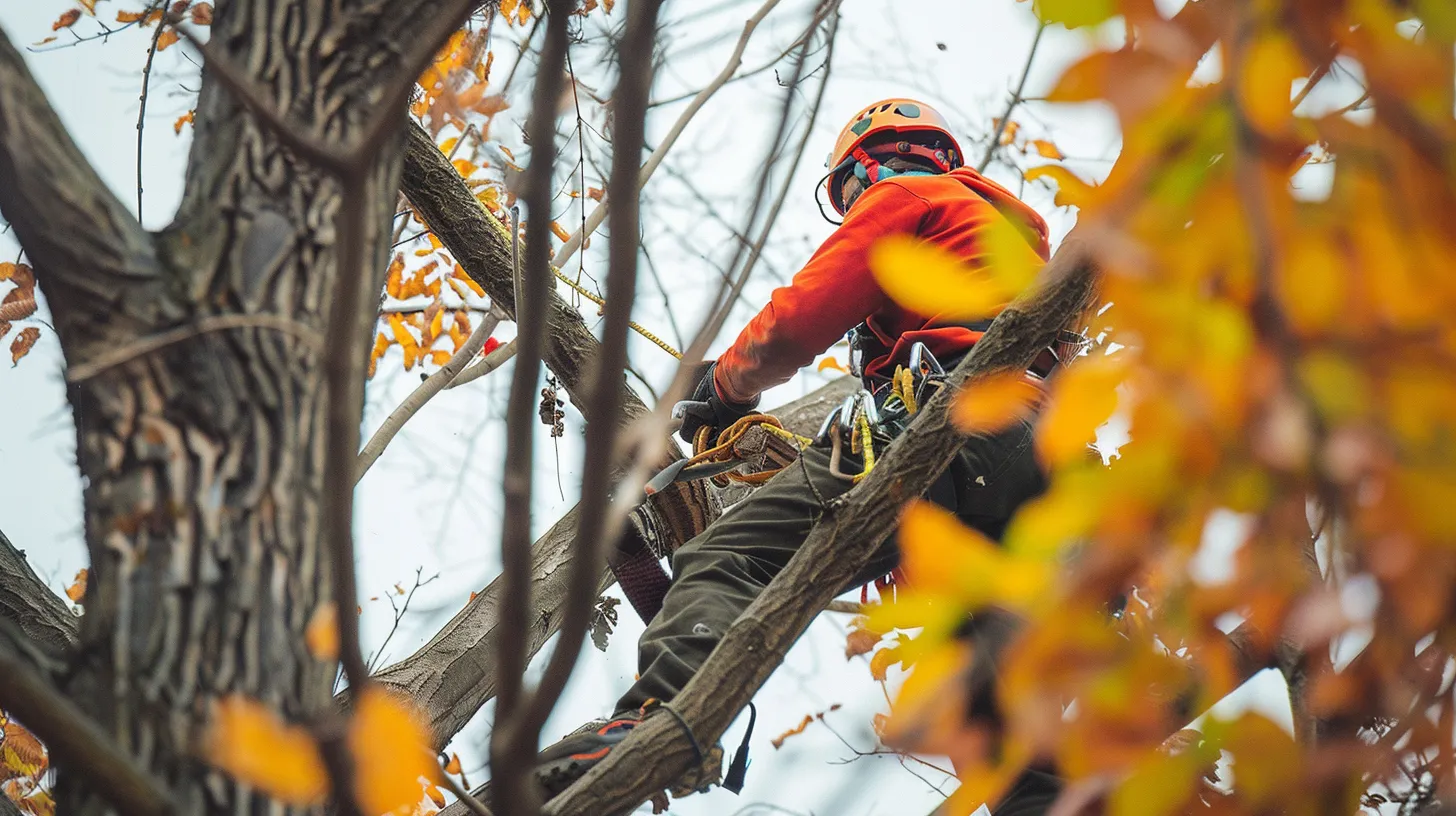
Professional services offer significant benefits for tree care. You’ll learn about the advantages of hiring experts for pruning and trimming, what to expect from their services, and how to choose the right one. Understanding these aspects helps you make informed decisions about tree maintenance, ensuring the health and safety of your landscape.
Advantages of Hiring Professional Tree Care Experts
When you hire professional tree care experts, you gain access to specialized knowledge and equipment that ensures safe, effective tree maintenance. These professionals understand the specific needs of different tree species, proper cutting techniques, and optimal timing for various procedures. You’ll benefit from their ability to identify potential problems early, such as disease symptoms or structural weaknesses that untrained eyes might miss.
Professional arborists also bring safety expertise that protects both your property and themselves during tree work. They have the proper equipment for working at height, understand how to safely remove large branches without damaging surrounding structures, and carry insurance to protect you from liability. This professional approach minimizes risks and ensures that your trees receive care that promotes their long-term health and stability.
What to Expect From Professional Tree Services
When you engage professional tree services, you can expect a comprehensive approach that begins with a thorough assessment of your trees’ condition and needs. The arborist will evaluate each tree’s health, structure, and any potential hazards before recommending appropriate trimming or pruning strategies. You’ll receive clear explanations of the work needed, why it’s necessary, and how it will benefit your trees’ health and appearance.
Professional services also include proper cleanup and disposal of all debris, leaving your property neat and tidy after the work is completed. Many companies provide detailed reports of the work performed and recommendations for future care, helping you develop a long-term maintenance plan for your trees. You can also expect adherence to industry standards and local regulations, ensuring that all work meets safety and quality requirements.
Choosing the Right Tree Care Professional
Selecting the right tree care professional requires careful consideration of several key factors. You should look for certified arborists who have proper licensing, insurance, and a solid reputation in your community. Check their credentials through professional organizations and read reviews from previous customers to gauge their reliability and quality of work.
When evaluating potential tree care services, ask for detailed written estimates that outline the scope of work, methods to be used, and cleanup procedures. A reputable professional will be happy to explain their recommendations and answer your questions about tree care techniques. You should also verify that they follow industry standards for both trimming and pruning practices, ensuring that your trees receive appropriate care that promotes their health and longevity.


