


Spring Tree Inspections in Southeast Wisconsin: What Every Homeowner Should Know
As the snow melts and the days get warmer, homeowners in southeast Wisconsin start spending more time outside — and that’s a good thing! But spring is more than just a season of warmer weather and blooming flowers: it’s one of the most important times of year for your trees.
After a long winter of freezing, thawing, and storms, your trees have been through a lot. From frost cracks and splits to broken limbs and unseen structural issues, early spring inspections can make all the difference in the health and safety of your yard.
Let’s talk about why spring tree inspections are essential, what our team looks for, and how addressing problems early can protect your home landscape throughout the growing season.
Last Winter’s Toll Doesn’t Always Appear Right Away

If your trees survived a Wisconsin winter, great — but that doesn’t mean they came through unscathed. Trees often sustain damage that isn’t obvious until spring growth begins:
Frost cracks or splits from rapid freezing and thawing
Hidden damage from ice buildup or heavy snow
Weak limbs that didn’t break under ice but are now failing
In our winter article about trees “exploding” due to internal pressure from cold weather, we explained how rapid temperature swings and frozen moisture can cause serious structural harm. Spring inspections are the next step to evaluate how trees weathered the season and whether they need expert care to thrive.
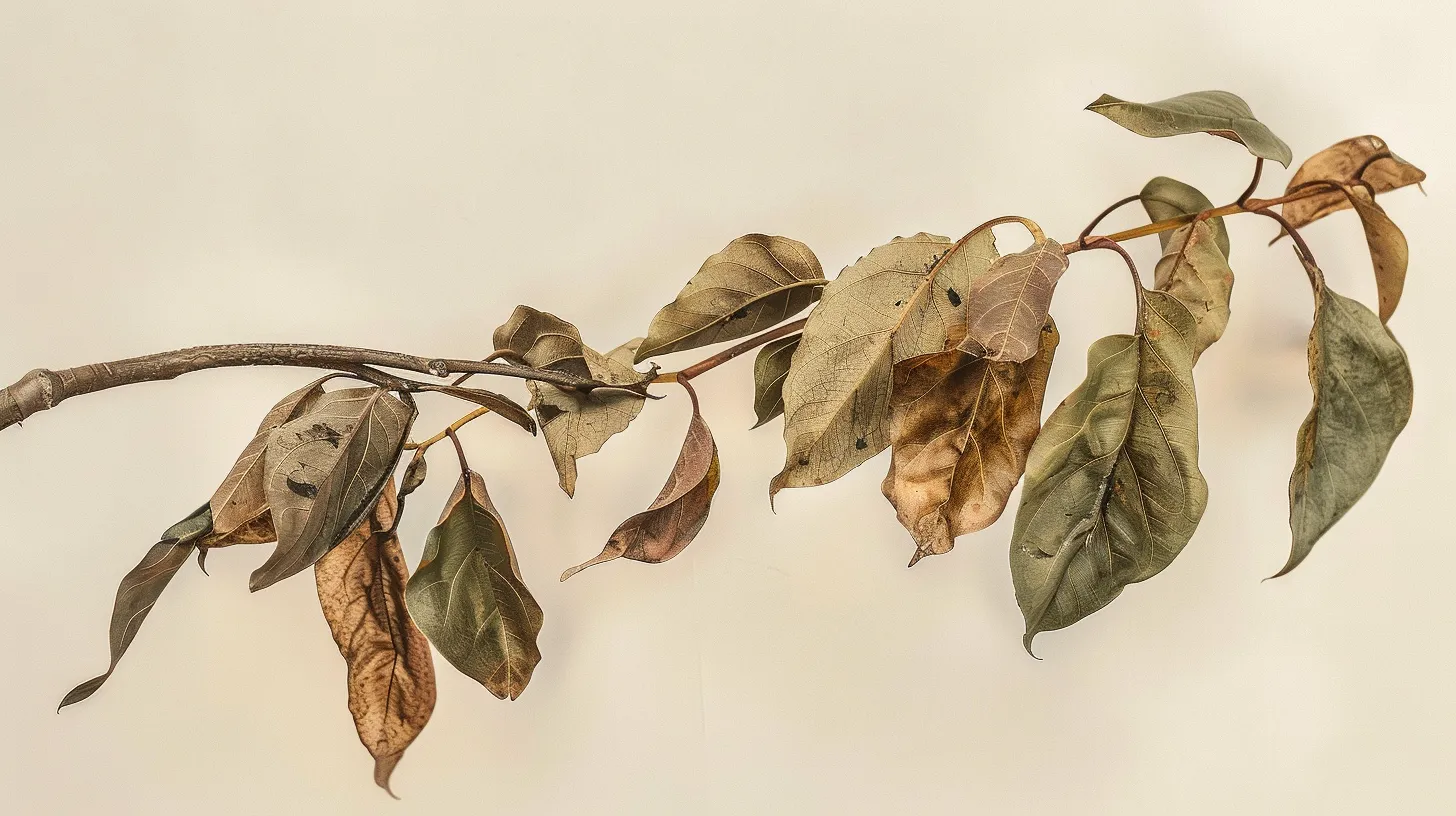
What a Professional Spring Inspection Looks For
When our certified arborists at CJ Tree Service evaluate your trees in spring, we’re checking for:
1. Winter Damage & Structural Weakness
Broken branches, cracks in trunks, or unstable limbs can pose safety risks as trees leaf out and storms begin.
2. Disease & Pest Issues
Warmer weather brings insects and fungal diseases out of dormancy. Early detection helps us treat problems before they escalate.
3. Root & Soil Health
Thawing ground can reveal root heaving or soil compaction. We assess root zones to ensure your trees can absorb nutrients and moisture properly.
4. Weak or Hanging Limbs
Dead, cracked, or hanging branches are hazards, especially during spring storms. Identifying them early enhances safety.
Spring Care = Long-Term Tree Health
Spring inspections are more than a check-up — they’re a chance to set your trees up for success. Here’s how early assessments can help:
✔ Prevent Future Emergencies
Catching issues now means fewer costly emergency removals or storm damage calls later.
✔ Improve Tree Growth
By identifying pruning needs, soil concerns, and pest issues early, we help trees develop strong structure and resilience.
✔ Protect Your Property
Trees that aren’t structurally sound can endanger homes, vehicles, and people — especially during spring and summer storms.
Seasonal Tips for Homeowners
Here are a few things you can do this spring to support tree health:
Schedule a professional tree inspection — early spring is ideal.
Avoid heavy mulching right at the trunk — overmulch can trap moisture and cause rot.
Check for hanging limbs after storms — even small breaks can worsen without attention.
Monitor watering — newly leafed-out trees need consistent moisture.
Why Partner With a Local Tree Expert
Trees in southeast Wisconsin face unique climate challenges — from freezing winters to spring storms. At CJ Tree Service, we combine local experience with professional care to help your landscape thrive.
Whether you need:
Tree inspections
Pruning or trimming
Storm damage assessments
Emergency tree care
…our team is here to help you keep your trees healthy and safe all season long.
Ready for a spring tree inspection?
Call or text CJ Tree Service today for a free quote and expert guidance you can trust in Racine, Kenosha, Milwaukee, Waukesha County, and beyond.


